
march Concert 2026
Sunday, March 1, 2026 | 4:30 pm
Sunday, march 1, 2026 | 7:30 pm
Please Note:
Because several of the musicians in our March concert are principal players in the Austin Symphony Orchestra, which has had to reschedule it’s March concert to an earlier date, we have cancelled the Monday, March 2 performance and moved it to Sunday, March 1 at 7:30. Ticket prices have not changed. Tickets are available for either the 4:30 or 7:30 performances.
artists:
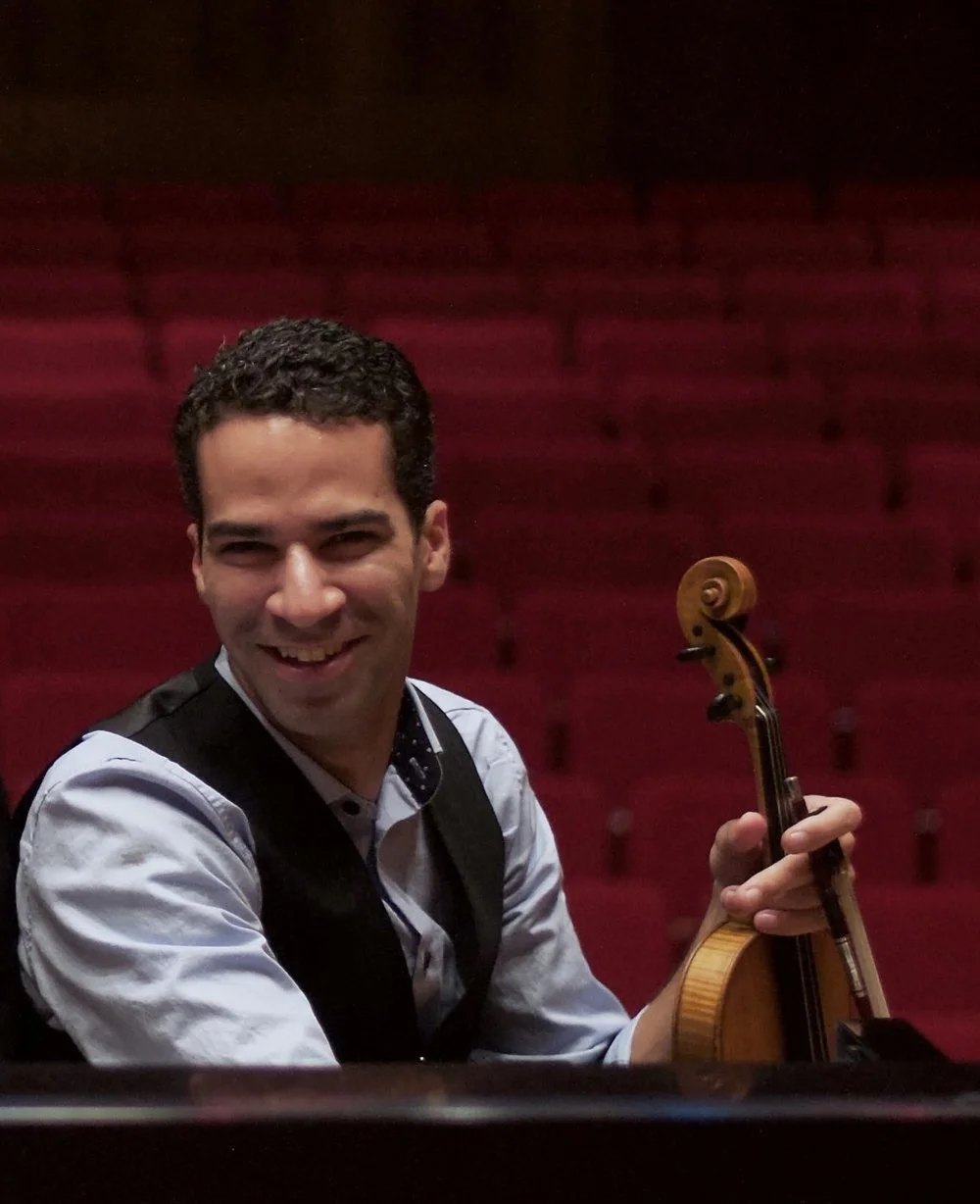
Patrice Calixte, Violin
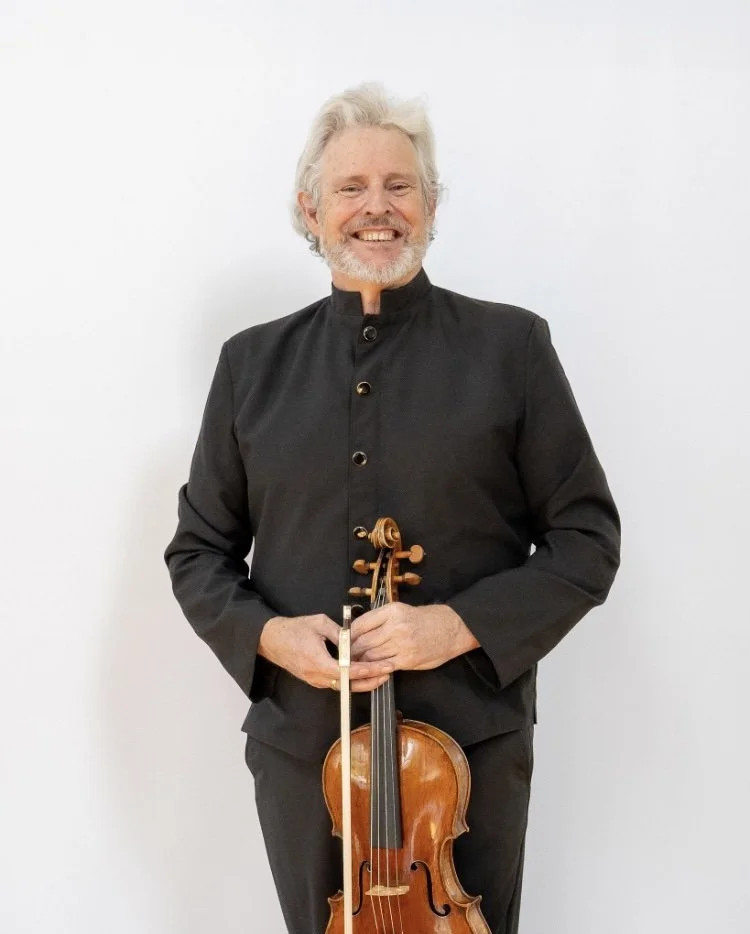
Bruce Williams, Viola
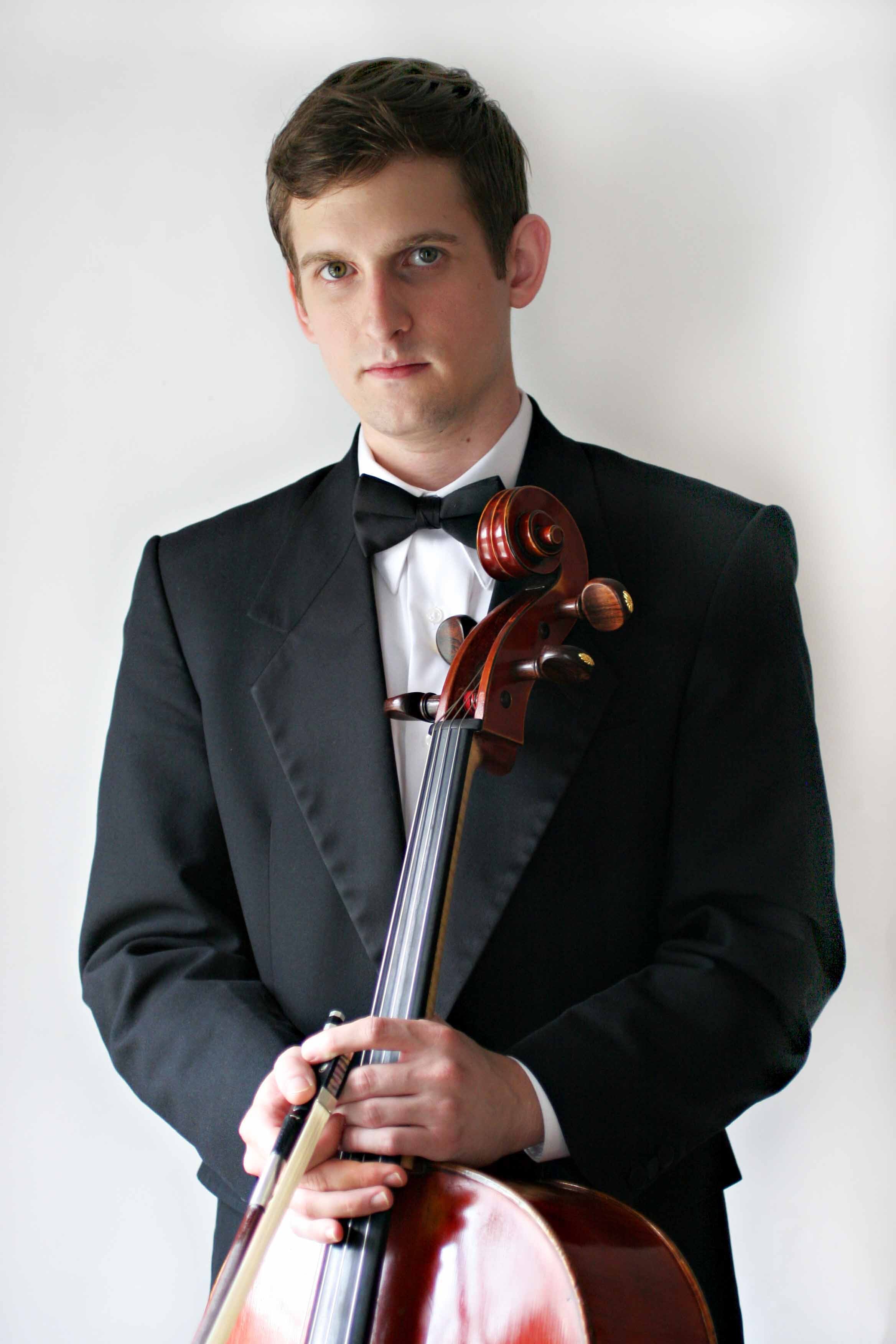
Douglas Harvey, Cello
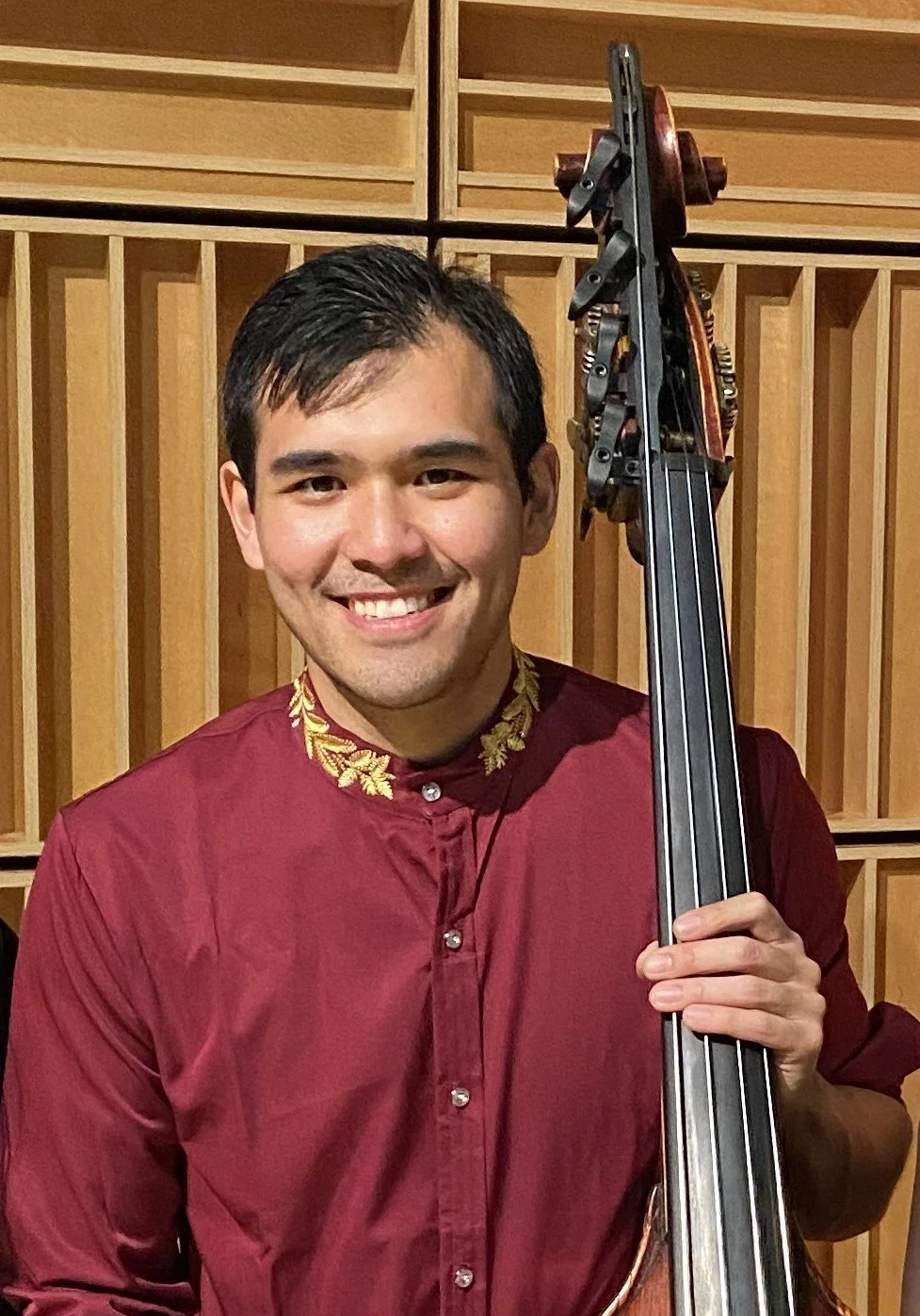
Gonzalo Kochi Kikuchi, Double Bass
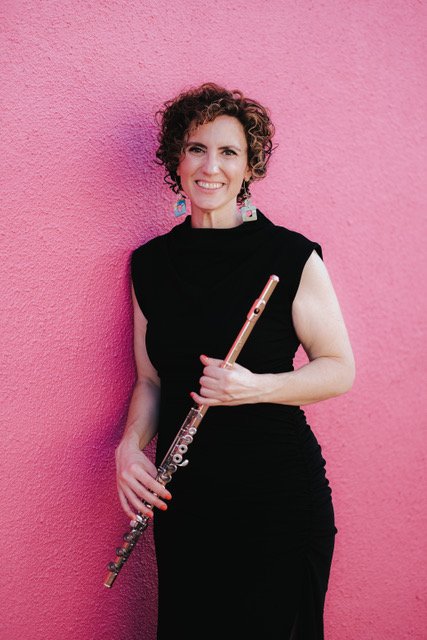
Rachel Woolf, Flute
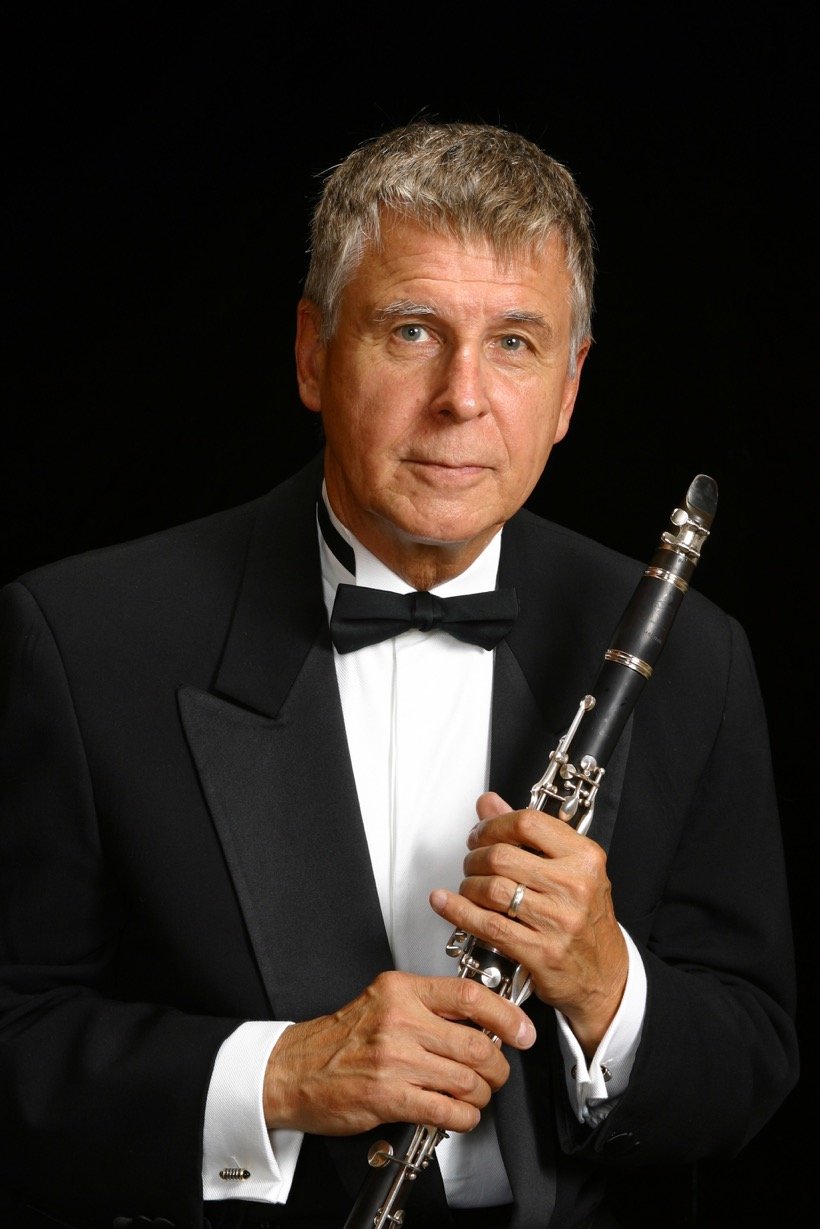
Stephen Girko, Clarinet
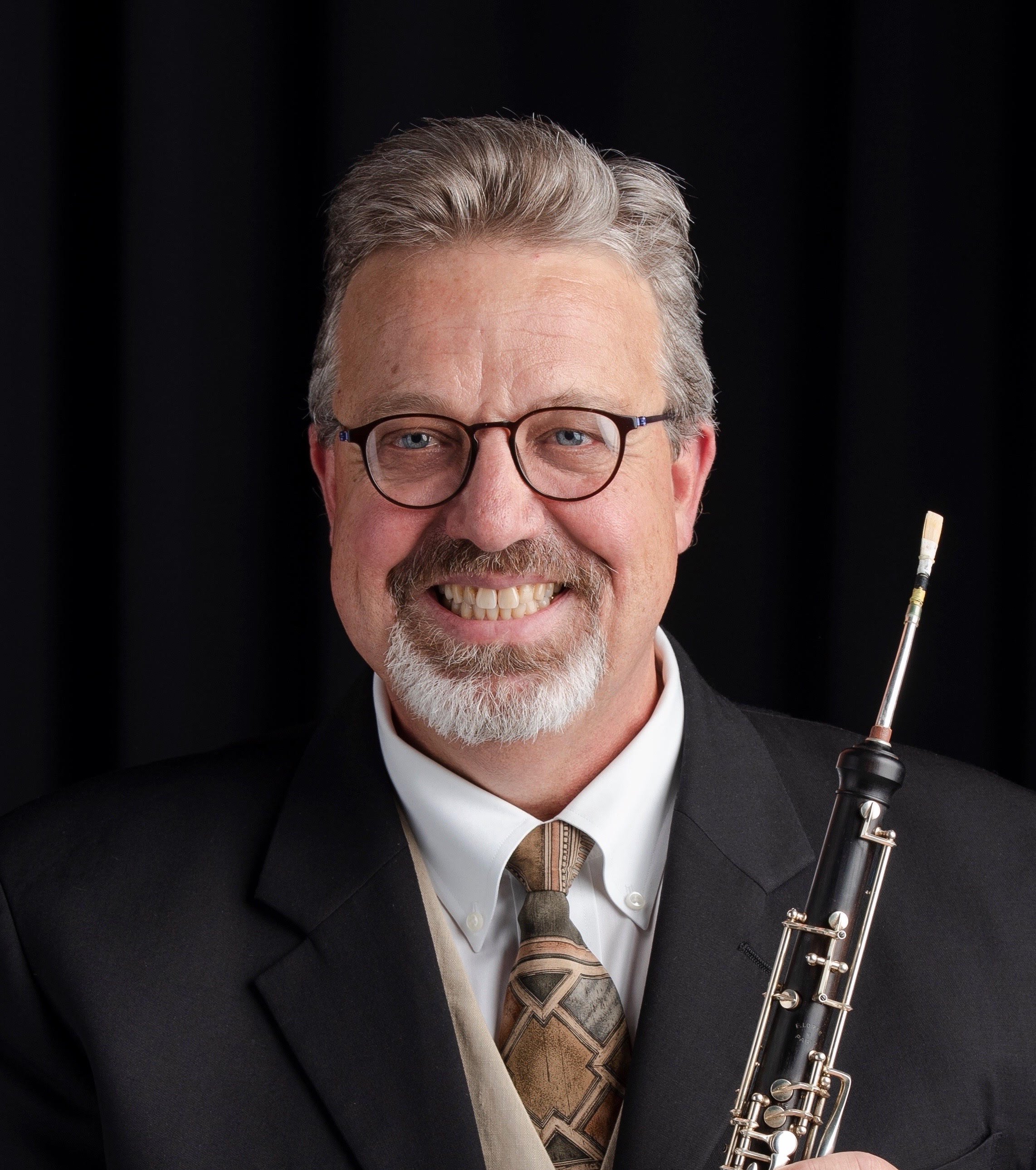
Ian Davidson, Oboe
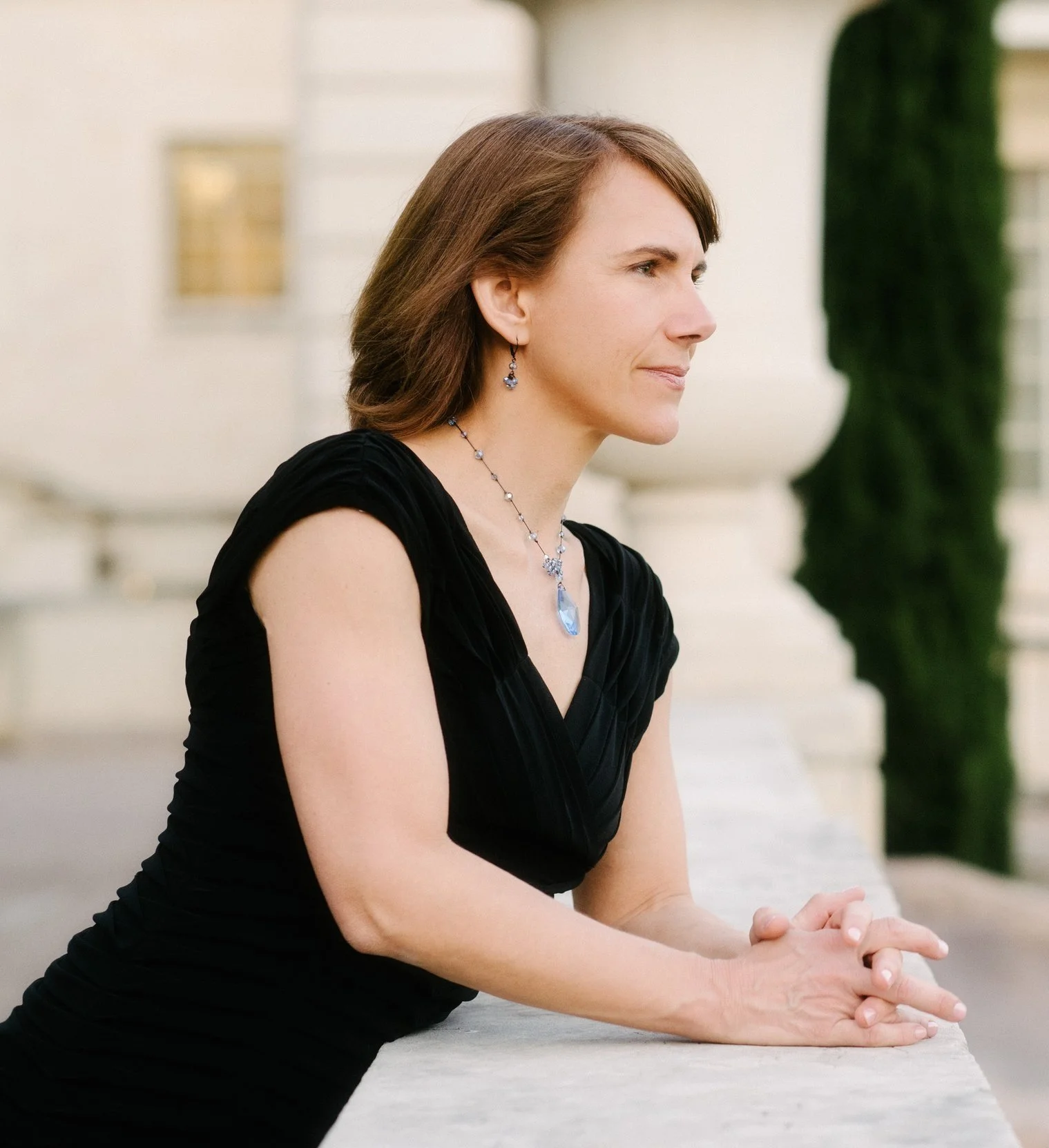
Kristin W. Jensen, Bassoon
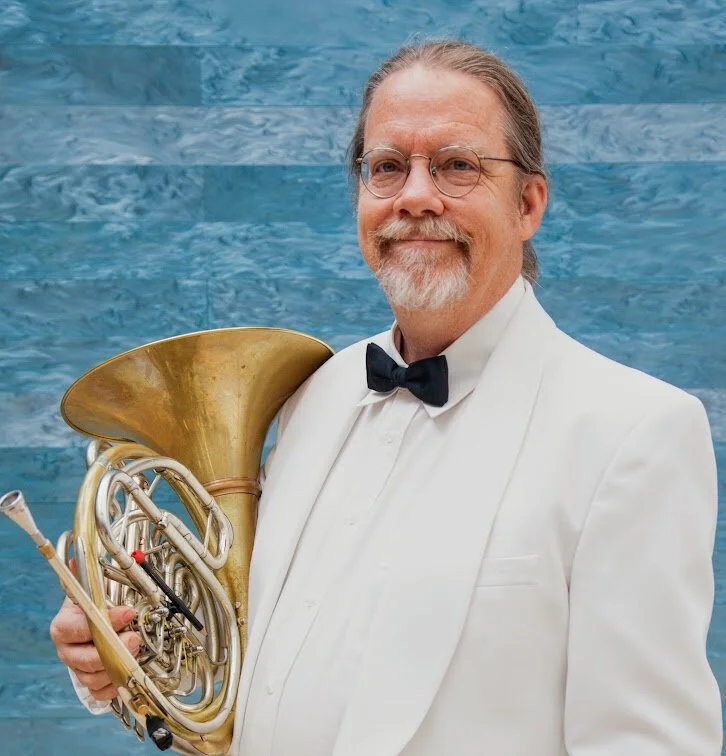
Tom Hale, Horn
Program:
Wind Quintet, Op.79………………………………………………………………………………………….….…August Klughardt
August Klughardt (1847–1902) was born in the German town of Köthen in Saxon-Anhalt. After studying music locally, Klughardt began to earn his living by conducting. He served in several locales, including Weimar where he worked from 1869 to 1873. There, he met Franz Liszt, which was very important for his creative development. While influenced by Wagner and Liszt, Klughardt did not by any means entirely adopt the ideology of their New German School, refusing to write tone poems and instead concentrating on symphonies and chamber music. The influence of Robert Schumann, and to a lesser extent Brahms, certainly is equally important.
The 1901 Quintet in four movements begins with the Allegro non troppo in a slow and mysterious vein. It quickly changes mood into a playful series of interludes between the voices. The second movement, Allegro vivace, is a sprightly scherzo. The Andante grazioso, which serves as the slow movement, is in the form of a stately minuet. The finale begins with a lengthy Adagio introduction before the main sections, Allegro molto vivace, which is full of high spirits.
Mouvements Perpétuels, arranged for nonet………………………………………………………………………...Francis Poulenc
Francis Poulenc was only nineteen when he composed Mouvements Perpétuels for solo piano, a charming suite of three short character pieces. Written during the final year of World War I, the music displays Poulenc’s trademark wit, clarity, and graceful lyricism—qualities that would come to define his style throughout his career. Each miniature is marked by a sense of effortless flow: the first, gently spinning with repetitive patterns; the second, tender and almost nostalgic; and the third, bright and playful, closing with a characteristically light touch rather than a grand statement.
Though modest in scale, the work quickly gained popularity and became one of Poulenc’s earliest successes. Its appeal lies in its blend of simplicity and sophistication, reflecting the composer’s affinity for Parisian elegance and his rejection of overblown Romanticism. The arrangement for nonet highlights the music’s transparent textures and kaleidoscopic colors, expanding the charm of the original piano score into a lively conversation among instruments.
Flute Quartet, Op. 5, No. 2 in G Major………………………………………………………………...………………Joseph Haydn
Joseph Haydn’s reputation as the “father of the string quartet” is well established, but his chamber music output also includes a number of delightful works for other instrumental combinations. Among them are the Flute Quartets, Op. 5, composed around the early 1760s, during Haydn’s years in service to the Esterházy court. These quartets were most likely written for the enjoyment of noble amateur musicians, who particularly favored the flute during this period.
Cast in three movements, No. 2 opens with a bright and cheerful Allegro, followed by a lyrical Adagio that allows the flute to spin long, expressive lines. The closing Menuet with Trio captures Haydn’s gift for wit and dance-like charm, rounding out the piece with a sense of balance and good humor.
Although these flute quartets are not as widely known as Haydn’s later quartets or symphonies, they remain valued for their intimate scale, tuneful invention, and ability to showcase the flute in a chamber setting. They remind us of Haydn’s extraordinary ability to bring refinement and delight to music written for both aristocratic salons and today’s concert halls.
Nonet, Op.77………………………………………………………………………………………………………….George Onslow
George Onslow, a French composer of English descent, earned great acclaim in the 19th century for his chamber music, which was admired by Schumann and Mendelssohn. Though little known today, Onslow was sometimes called “the French Beethoven” for the seriousness and craftsmanship of his works.
His Nonet in A minor, Op. 77, composed in 1848, is one of his late chamber works and one of only a handful of 19th century nonets. Scored for flute, clarinet, oboe, bassoon, horn, violin, viola, cello, and double bass, it unites wind and string timbres in a rich and varied palette. The piece is cast in four movements: a dramatic opening Allegro, a lyrical Andante with expressive wind solos, a lively Scherzo full of rhythmic verve, and a spirited Finale that balances grandeur with buoyant charm.
The Nonet reflects Onslow’s deep sense of form and thematic development, coupled with a gift for lyrical writing. It showcases his ability to treat each instrument as both a solo voice and part of a tightly woven ensemble, creating chamber music that is both intimate and symphonic in scope.